
How to Choose the Right Payment Partner for Your Direct Selling Business
The Overlooked Growth Engine: Payment Processing
Choosing a payment partner is often treated as a financial decision. Companies compare fees, evaluate payout timing, and look for solutions that are easy to implement. While those factors are important, they only address part of what a payment partner actually does within a direct selling organization.
In reality, a payment partner plays a much larger role. It sits at the center of how transactions connect to orders, inventory, fulfillment, and reporting. When that connection is strong, operations run efficiently. When it is not, even simple transactions can introduce friction across the business.
For direct selling companies, selecting the right payment partner is not just about processing payments. It is about supporting the system behind every sale.
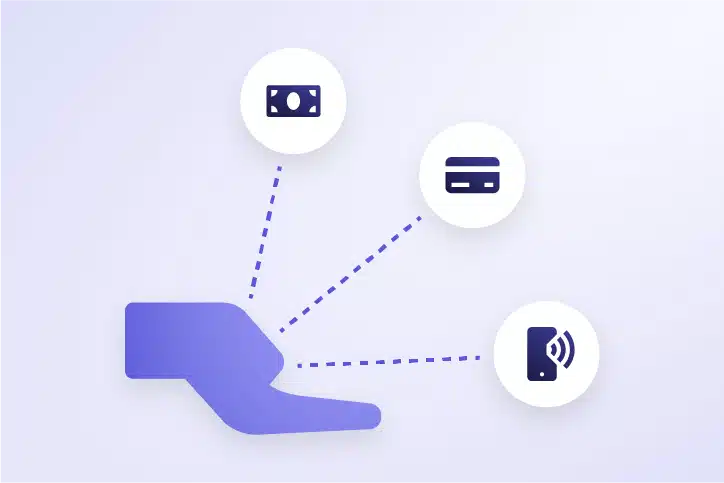
What Matters Most When Evaluating Payment Partners
Most organizations begin their evaluation by focusing on measurable factors such as transaction fees, settlement timing, and system reliability. These are logical starting points and should be part of any decision.
However, these factors alone do not determine whether a payment partner will support long-term success. A solution that is fast and cost-effective can still create operational challenges if it does not integrate with the rest of the system.
The more important consideration is how the payment partner fits into the overall workflow. Direct selling organizations rely on multiple interconnected processes, and payment processing is the trigger that connects them.
Why Integration Matters More Than Fees
Every payment should initiate a series of downstream actions, including order creation, inventory updates, fulfillment workflows, commission calculations, and reporting.
If the payment partner does not integrate directly with these processes, teams are forced to manage the gaps manually. Orders may need to be entered into separate systems, inventory may not reflect real-time activity, and reporting may become inconsistent.
While a lower-cost solution may appear beneficial at first, the inefficiencies it introduces can quickly outweigh any initial savings. The time spent managing manual processes and correcting errors becomes a hidden cost that grows with the business.
How This Impacts Growth and Scalability
As a direct selling organization grows, the volume of transactions increases, and the need for system alignment becomes more critical. Processes that were once manageable through manual effort become inefficient at scale.
Teams may find themselves spending more time resolving issues than supporting growth. Representatives may experience delays or inconsistencies that impact their confidence in the system. Customers may encounter slower fulfillment or unclear communication.
These challenges often originate from a lack of integration between payment processing and the broader system, even if they are not immediately recognized as such.
What to Look for in a Direct Selling Payment Solution
A strong payment solution should support more than just transaction processing. It should integrate directly with order management, inventory tracking, and fulfillment systems.
Real-time data synchronization is essential to ensure that all parts of the business remain aligned. The solution should reduce the need for manual intervention and provide consistent, reliable reporting across the organization.
It should also be designed with the structure of direct selling in mind, including multiple representatives, distributed sales activity, and commission-based compensation models.
The Bottom Line
Choosing a payment partner is not just about selecting a provider that can process transactions efficiently. It is about finding a solution that supports how your business operates.
When payment processing is fully integrated into your system, it enables accurate data, efficient workflows, and a better experience for both representatives and customers. As your organization grows, this level of integration becomes essential for maintaining consistency and supporting scalable success.
A well-chosen payment partner does more than process payments. It helps keep your entire business aligned.
Related Resources
- Read our guide on Managing Your Funds
- See Why Payment Processing Is the Hidden Driver of Direct Selling Performance
Learn more at Wayroo.com or contact us to schedule a direct sales software demo.
Contact Us
Learn how the Wayroo App can help take your direct sales business to the next level.