
Why Payment Processing Is the Hidden Driver of Direct Selling Performance
The Overlooked Growth Engine: Payment Processing
Direct Selling Payment Processing | When most direct selling companies think about growth, their focus tends to center around recruiting, product development, or incentive structures. These are the visible levers of performance, and they naturally take priority in strategic planning.
However, there is another critical component operating behind the scenes that has a direct impact on how efficiently the business runs: payment processing.
While it is often viewed as a simple transactional step, payment processing plays a central role in connecting the systems that support selling, fulfillment, and reporting. When it is properly integrated, operations move smoothly. When it is not, even successful sales can introduce friction that slows down the organization.
What Happens After a Payment Is Processed
When a representative completes a sale and a payment is successfully processed, it may appear that the transaction is finished. In reality, that moment triggers a series of essential processes across the business.
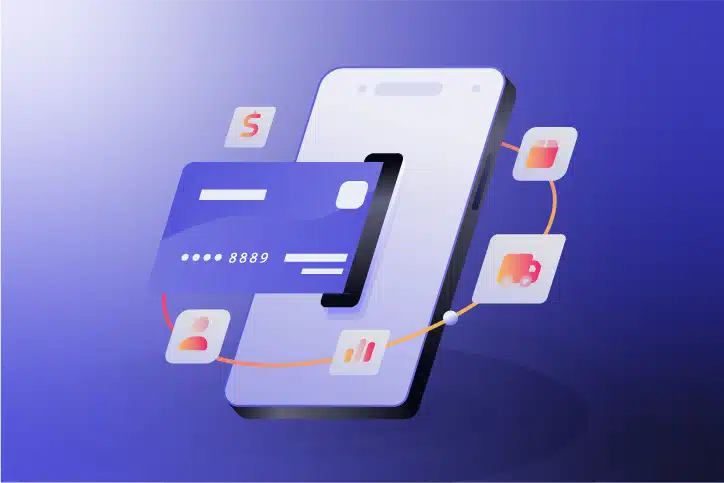
A single transaction should immediately update inventory levels, initiate order processing, trigger fulfillment of workflows, calculate commissions, and reflect accurate reporting data. These systems are interconnected, and their ability to stay aligned depends on how well payment processing is integrated into the broader platform.
When these processes are connected, the transition from sale to delivery is seamless. When they are not, even a correctly processed payment can lead to delays, inconsistencies, and additional manual work.
Where Payment Processing Breaks Down in Direct Selling
In many organizations, payment processing is treated as a standalone function rather than as part of a connected system. While payments may be captured successfully, the lack of integration with other operational systems creates gaps.
Orders may not process correctly even though payment has been received. Inventory levels may not reflect real-time activity, leading to overselling or confusion. Commissions may require manual adjustments due to delays in data synchronization, and reporting may not accurately reflect actual performance.
These issues are often manageable at a small scale, but they become increasingly difficult to control as the business grows.
Why Small System Gaps Become Large Operational Problems
As direct selling organizations scale, the number of transactions increases, and operational complexity grows. Systems that are not fully connected begin to show strain under higher volume.
Manual processes that once seemed manageable start to consume more time. Teams spend more effort correcting errors, reconciling data, and responding to issues instead of focusing on growth.
Over time, these inefficiencies limit scalability. Growth requires not just more sales, but the ability to handle those sales efficiently and consistently.
How This Impacts Representative and Customer Experience
Disconnected payment processing affects more than internal operations. It directly influences the experience of both representatives and customers.
Representatives rely on accurate systems to confidently sell products, track orders, and understand their earnings. When systems are inconsistent or delayed, it creates uncertainty that can reduce engagement and sales activity.
Customers experience the results through fulfillment speed, order accuracy, and communication. Delays or errors, even if caused by backend issues, can negatively impact satisfaction and long-term retention.
How This Shows Up in Real Selling Environments
High-performing direct selling companies approach payment processing as part of a connected system rather than a standalone tool.
In this environment, payments trigger order processing immediately, inventory updates in real time, fulfillment workflows begin without delay, and reporting reflects accurate, up-to-date information. Each component of the business works together rather than independently.
This level of integration reduces manual work, improves accuracy, and supports a more consistent experience for both representatives and customers.
The Bottom Line
Payment processing is often overlooked because it operates behind the scenes, but its impact on a direct selling organization is significant. It influences how efficient orders are processed, how accurate data is maintained, and how confidently representatives and customers engage with the business.
When payment processing is fully integrated into a connected system, it enables smoother operations, stronger performance, and more scalable growth. For companies looking to improve efficiency and support long-term success, it is not just a technical consideration. It is a strategic priority.
Related Resources
- Read our guide on ProPay Overview
- Read How ProPay Integration Keeps Sellers Paid Faster
Learn more at Wayroo.com or contact us to schedule a direct sales software demo.
Contact Us
Learn how the Wayroo App can help take your direct sales business to the next level.